Live Event · Coachella 2026
ANYMA ÆDEN
High fidelity digital characters for ANYMA's ÆDEN show at Coachella 2026, developed in collaboration with LightVFX.
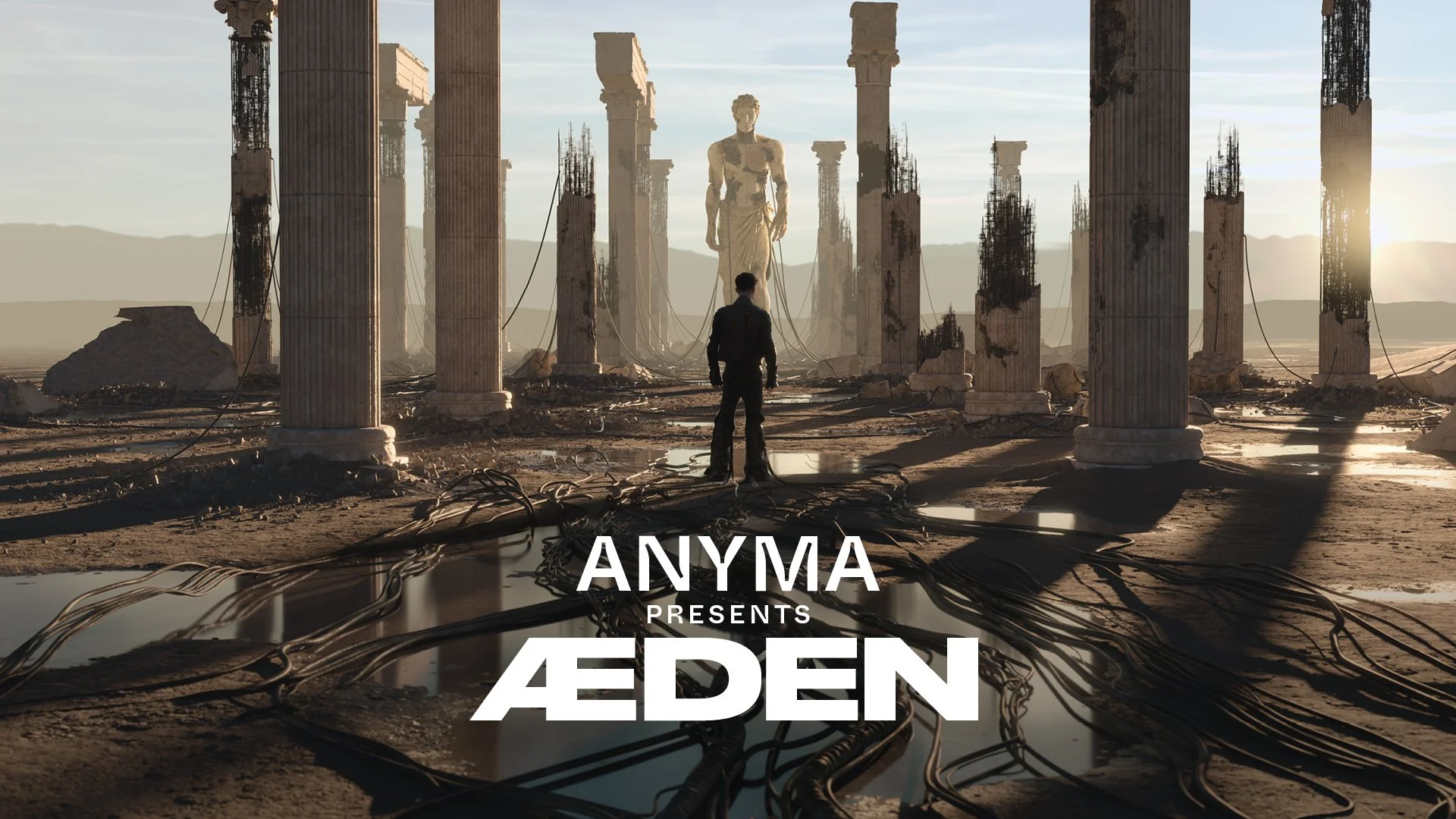
High fidelity digital characters for ANYMA's ÆDEN show at Coachella 2026, developed in collaboration with LightVFX.
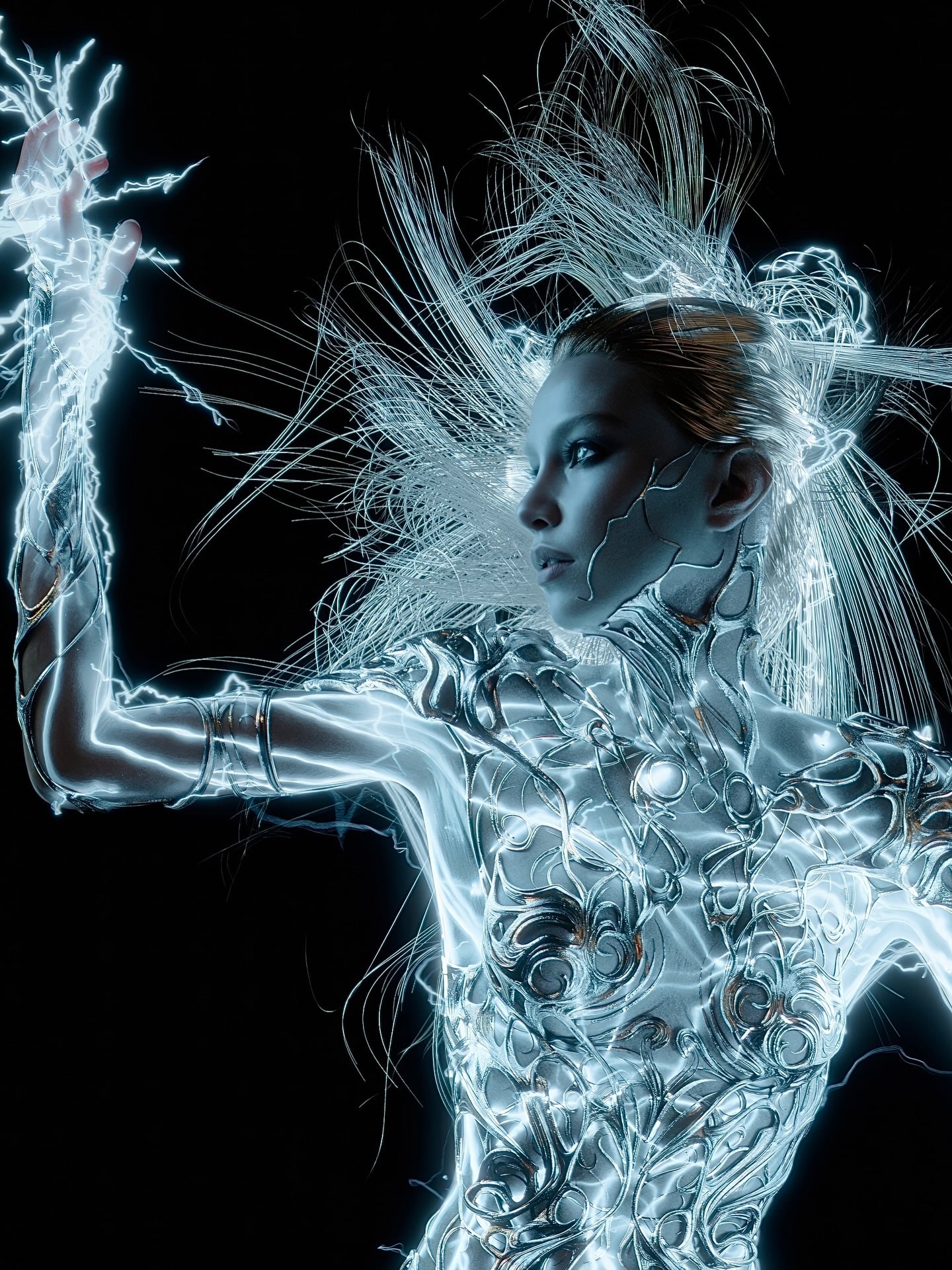
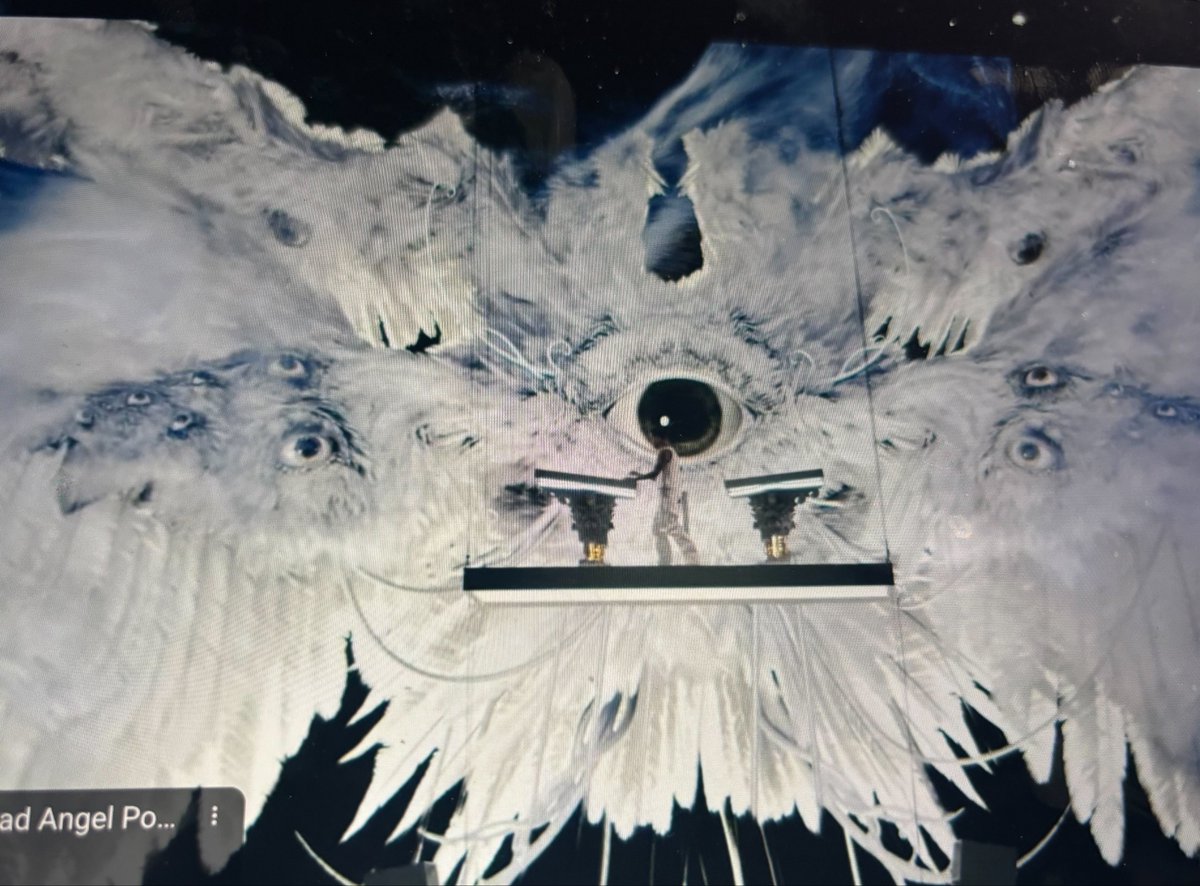
Digito built two hero characters, ThunderGodess and Seraphim, for ANYMA's ÆDEN performance at Coachella 2026. The project focused on body realism, intricate suit detailing, and a complex feathered creature system with over 300 embedded eyes across Seraphim's wings.
The brief demanded characters that could withstand stadium-scale LED display and close-up video production simultaneously, every pore, feather and surface shader had to hold at any distance.
Characters stop being assets and start behaving like presences, responsive, aware, and built to exist inside the same space as the audience. We mix the latest technologies and tools with a strong creative mindset to deliver digital avatars that perform flawlessly inside immersive experiences.
From live event characters to always-on digital humans, we'd love to hear what you're imagining.
The ANYMA ÆDEN show at Coachella 2026 required digital characters with cinematic-quality detail, ready for the festival's massive LED visuals and 100,000-person audience. Digito partnered with LightVFX to develop a feathered creature system, photoreal suit detailing, and full-body realtime performance, characters that move, react and inhabit the show alongside ANYMA's live performance.
The pipeline combines Unreal Engine 5, MetaHuman foundations, custom groom and cloth simulation, and bespoke shading work that holds up at LED-wall scale. Realtime body realism is one of the hardest problems in computer graphics, every joint, every muscle, every fabric drape needs to read truthfully under high-contrast festival lighting. Our team handled it shot by shot.
This project is part of Digito's wider catalogue of live event and music industry collaborations. We work with creative studios, music acts and brands who want a digital human or character that performs with the same fidelity audiences expect from a feature film. See more projects or get in touch about a live event collaboration.