



The main goal was to build a digital human that could hold a conversation in a natural way, without relying on spectacle.
Subtle facial motion, controlled pacing, and clarity of expression mattered more than exaggeration.
Another goal was to prove that digital humans can be used beyond demos, from virtual agents to immersive and holographic experiences, while maintaining a strong artistic foundation.
A simple benchmark was used throughout the project: would this feel believable if you were sitting across from it?
.png)
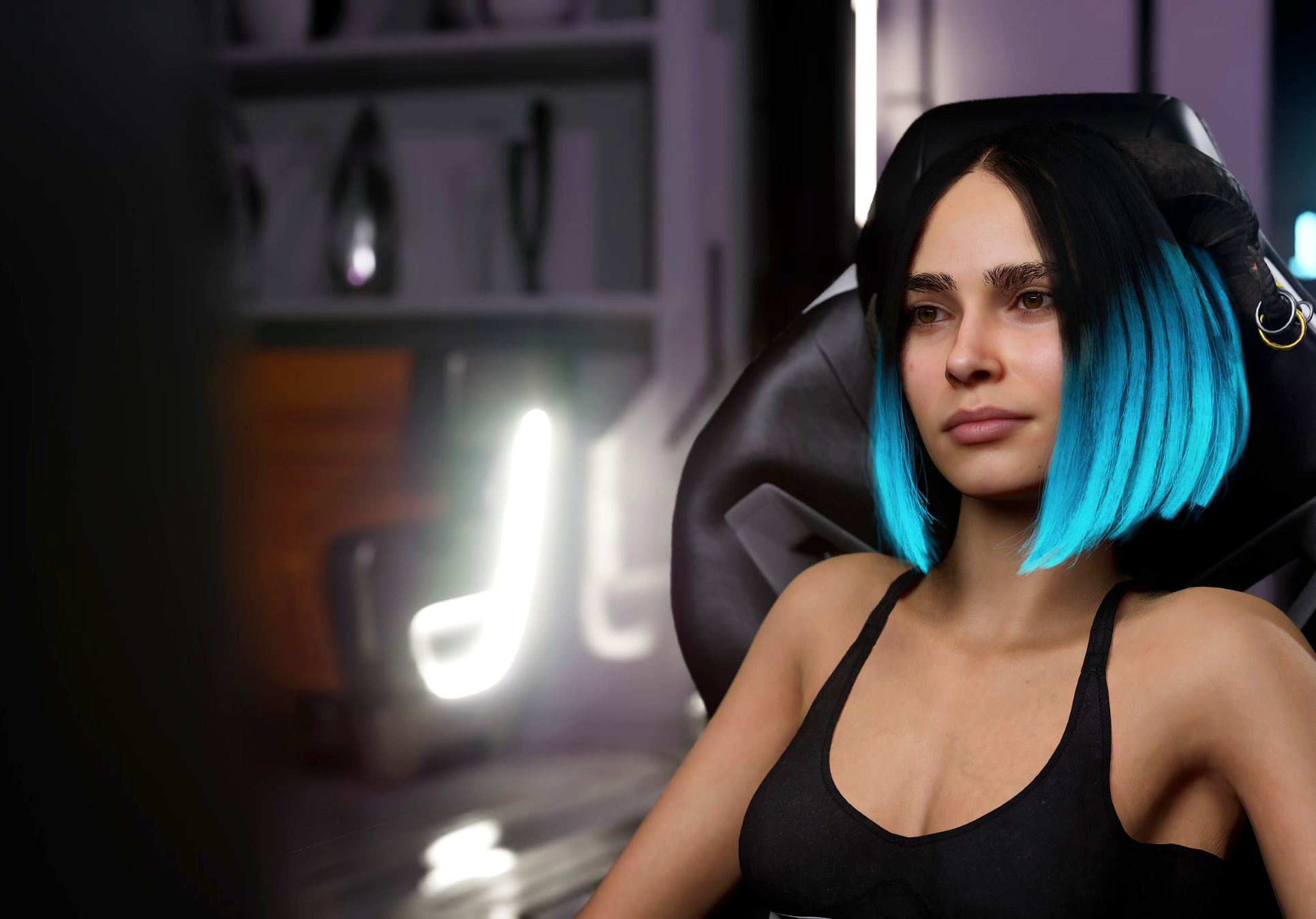
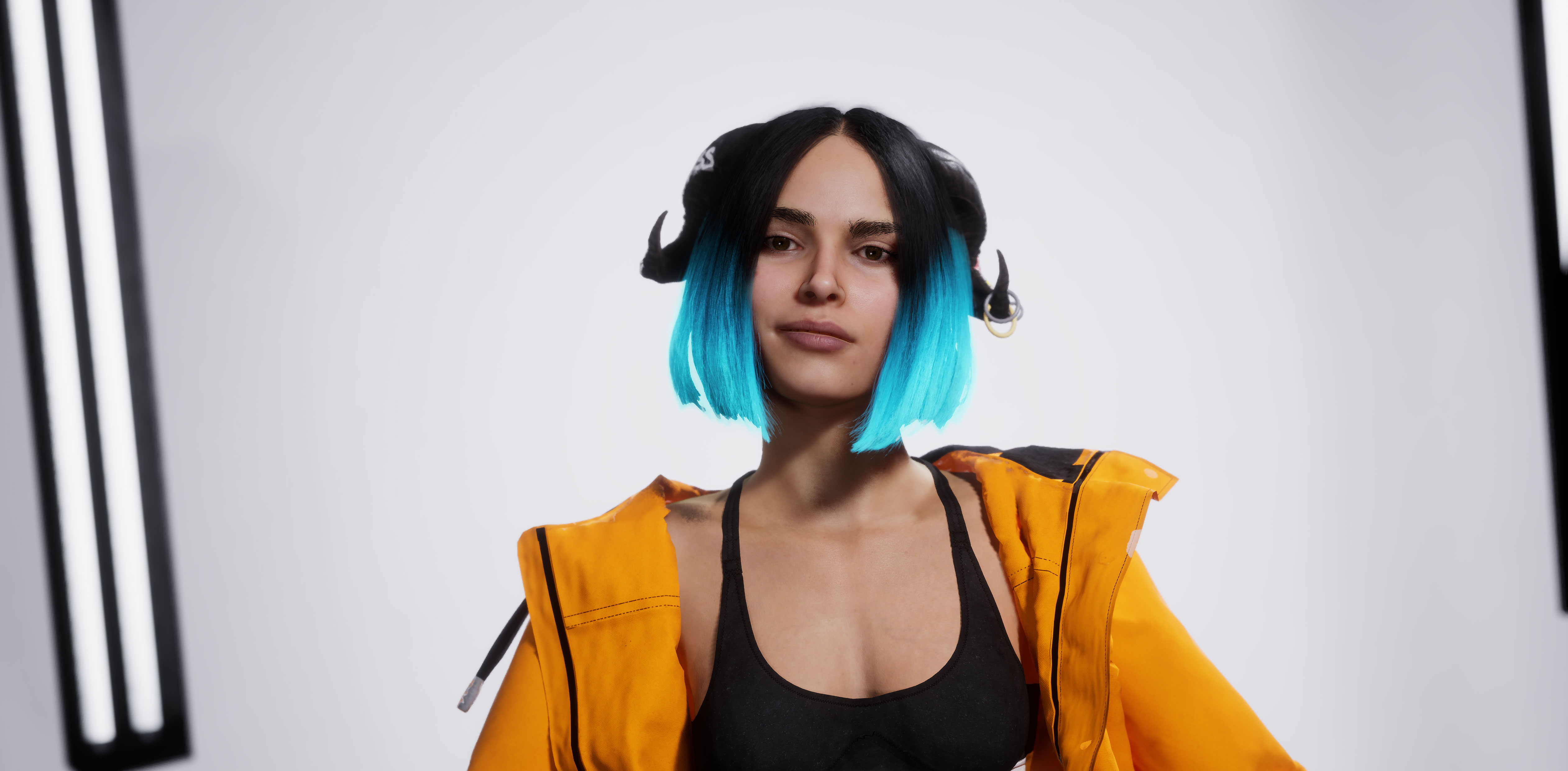
Built as a digital persona rather than a static character, it engages users through realtime interaction, attitude and presence, turning conversation into an experience.
The avatar blends strong visual identity with fluid dialogue, creating a personality that feels reactive, confident and immersive.
Deadlypunk shows how a well-designed conversational avatar can move beyond novelty and become a living interface between brands, stories and audiences.
The main goal was to build a digital human that could hold a conversation in a natural way, without relying on spectacle.
Subtle facial motion, controlled pacing, and clarity of expression mattered more than exaggeration.
Another goal was to prove that digital humans can be used beyond demos, from virtual agents to immersive and holographic experiences, while maintaining a strong artistic foundation.
A simple benchmark was used throughout the project: would this feel believable if you were sitting across from it?

-Cover.jpg)
This demo is a foundation.
The same pipeline can scale into interactive virtual agents, educational experiences, museum installations, and full holographic systems.
Future iterations will explore deeper interaction, richer emotional range, and more responsive behaviors, always keeping artistry at the center.
Digital humans are not just about realism.
They are about expression, presence, and creating meaningful moments through technology.


).webp)

.png)