Trip Report
Unreal Fest Orlando 2025: what got me excited about the next chapter
A week in Orlando discovering Unreal Engine 5.7, offline speech recognition with Whisper, and why Fortnite is quietly becoming the most interesting social media platform in the world.
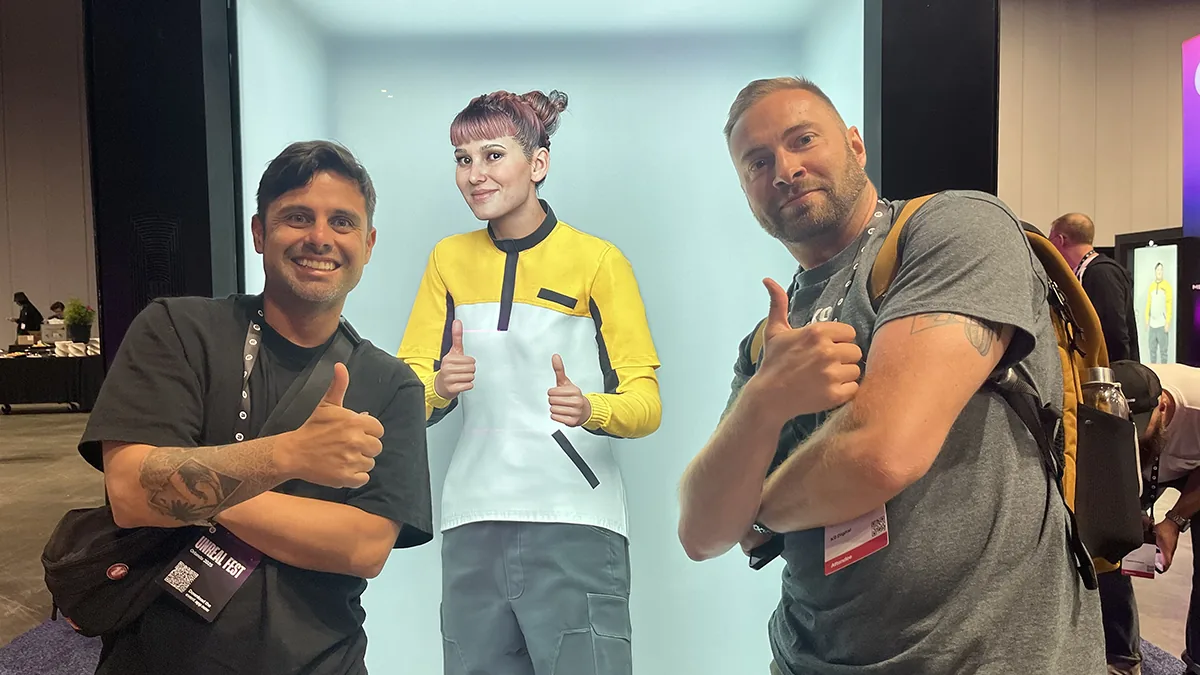
I came back from Unreal Fest Orlando 2025 genuinely energized. Not in the way you feel after a good conference dinner, but in the way you feel when you realize the tools you've been waiting for are finally here. Two things in particular stuck with me: the direction of Unreal Engine 5.7, and a session on offline speech recognition that changed how I think about conversational avatars.
Unreal Engine 5.7 and the talking avatar moment
Every year Epic makes a bet about where real-time rendering is going, and every year they're roughly right a year early. UE 5.7 continues that pattern. The improvements to Nanite, the lighting pipeline, and character fidelity are iterative but compound quickly when you stack them together. What struck me more was the direction around interactivity and AI-driven behavior inside the engine itself.
The session I kept thinking about was on offline speech recognition using OpenAI Whisper inside Unreal Engine. Epic's Runtime Speech Recognizer plugin brings Whisper's transcription quality directly into the engine, running fully offline, no API calls, no cloud dependency. For conversational avatar work, this is genuinely significant. You get accurate, low-latency transcription that works in environments where you can't rely on a stable internet connection, like a trade show floor, a museum installation, or a kiosk in a retail space.
If you're building interactive digital humans and haven't looked at this yet, the official tutorial on the Epic developer community is a solid starting point. The quality gap between this and older on-device speech recognition is dramatic.
Fortnite as the new social layer
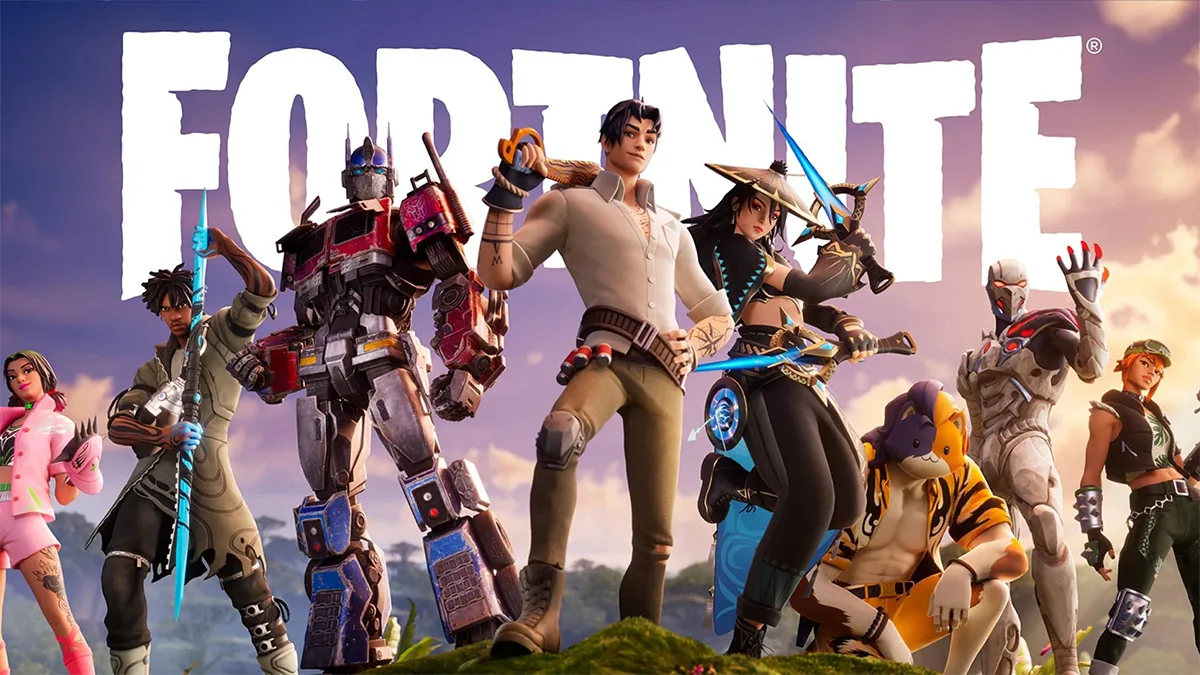
The other thing I couldn't stop thinking about was Fortnite. Not the game itself, but what it has become as a platform.
At Unreal Fest there were several talks and conversations centered on UEFN (Unreal Editor for Fortnite) and how brands, studios and independent creators are using it to build interactive experiences that live inside the Fortnite ecosystem. And the audience numbers are hard to ignore. Fortnite is not competing with Instagram or TikTok in the traditional sense, it is building something different: a shared 3D space where tens of millions of people already spend time, and where creators and companies can drop experiences directly into that attention.
What makes it interesting from our perspective is the convergence with digital human technology. You can now build interactive characters that exist inside a game world that people genuinely want to be in. The creative economy around UEFN is early but the trajectory is clear. Gamers are already treating these spaces as social infrastructure, and companies are starting to figure out that this is where the next generation of brand experience lives.
What I'm taking back to the studio
The through-line between both things is the same: the gap between "real-time interactive experience" and "the place people actually spend time" is closing faster than most studios are moving. Offline Whisper means we can deploy conversational avatars in more contexts without infrastructure constraints. UEFN means the audiences are already assembled in 3D environments that expect interaction.
Both of those are relevant to what we're building at Digito. If you went to Unreal Fest and want to compare notes, reach out.